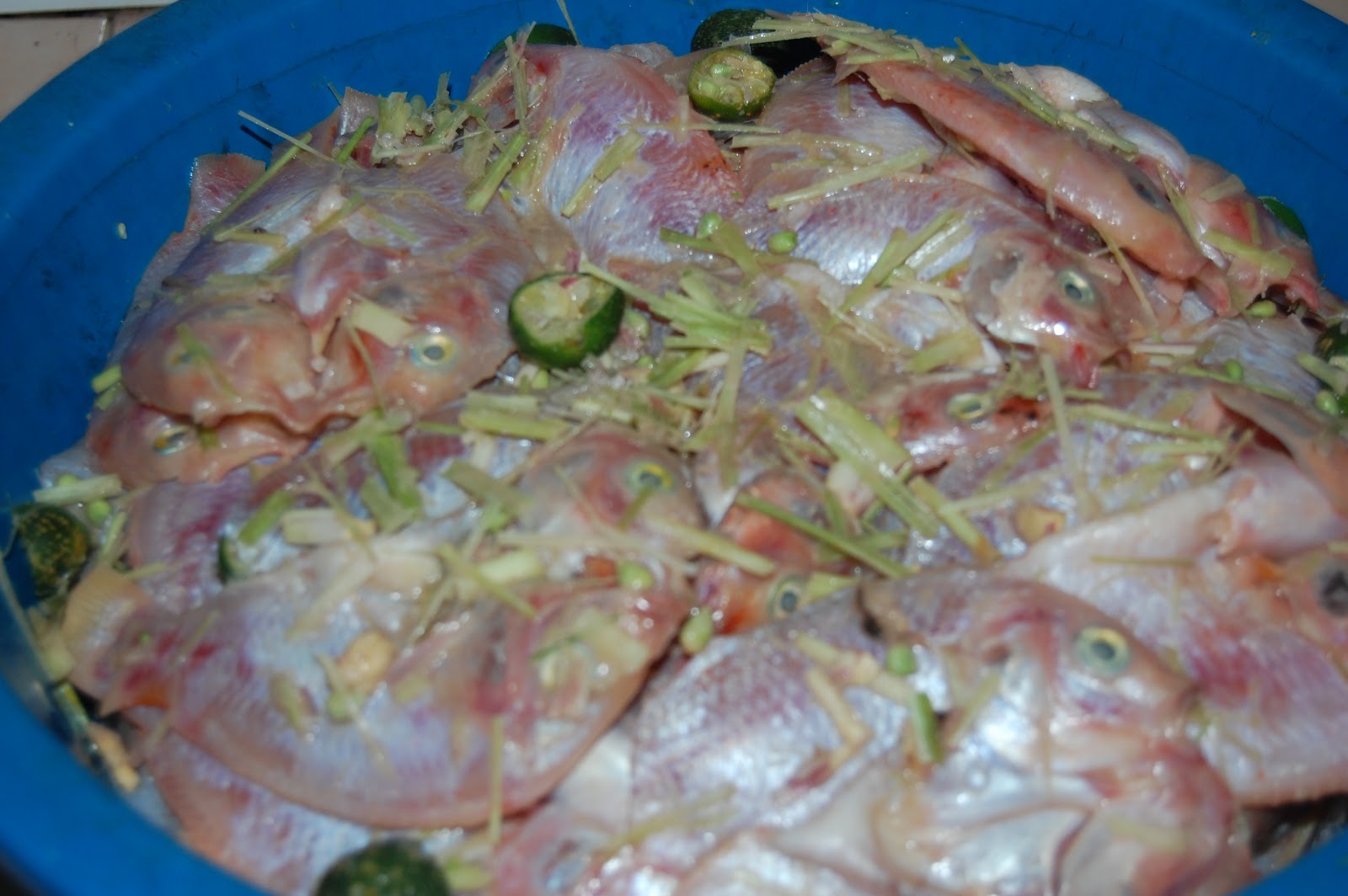
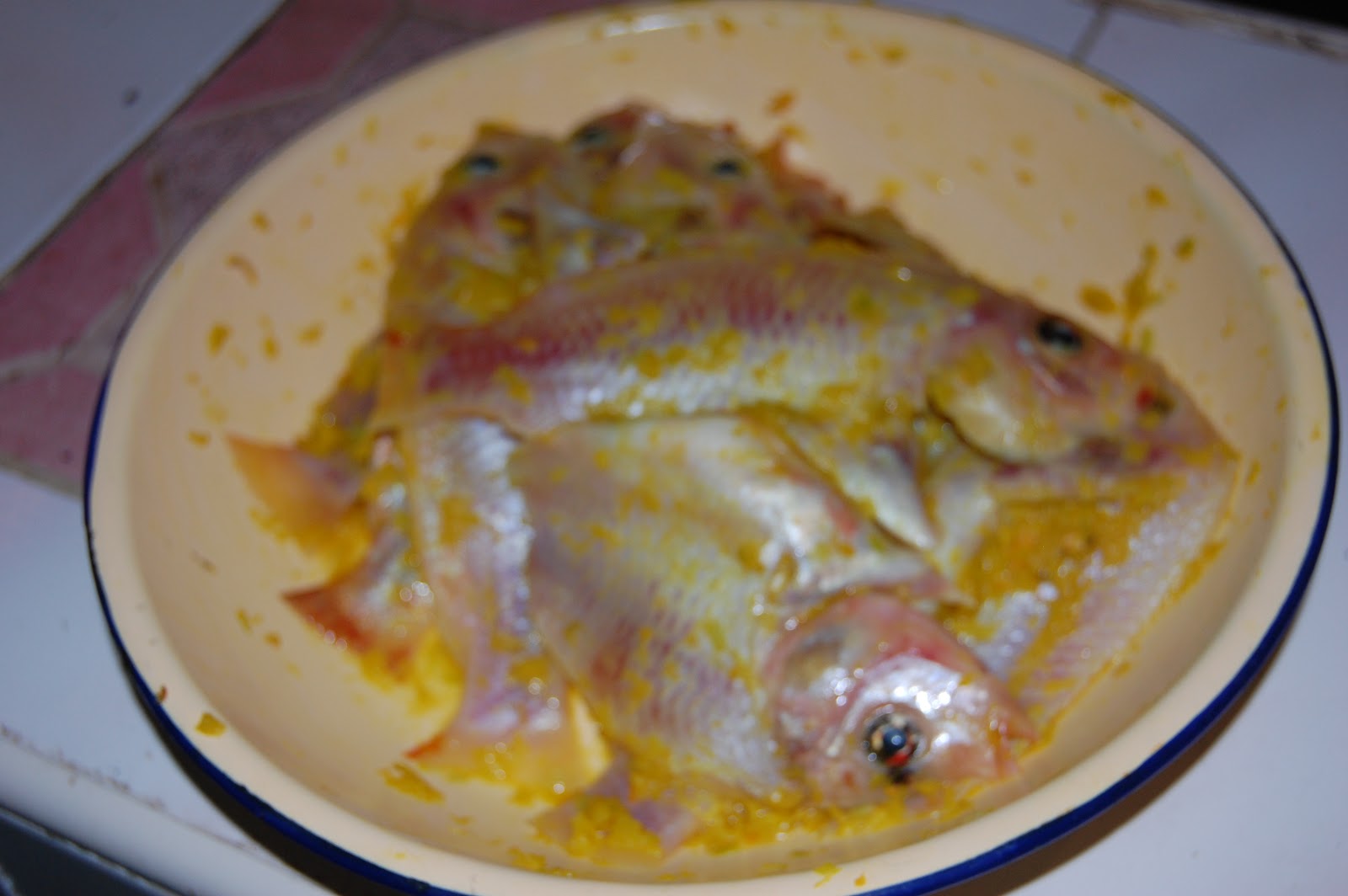
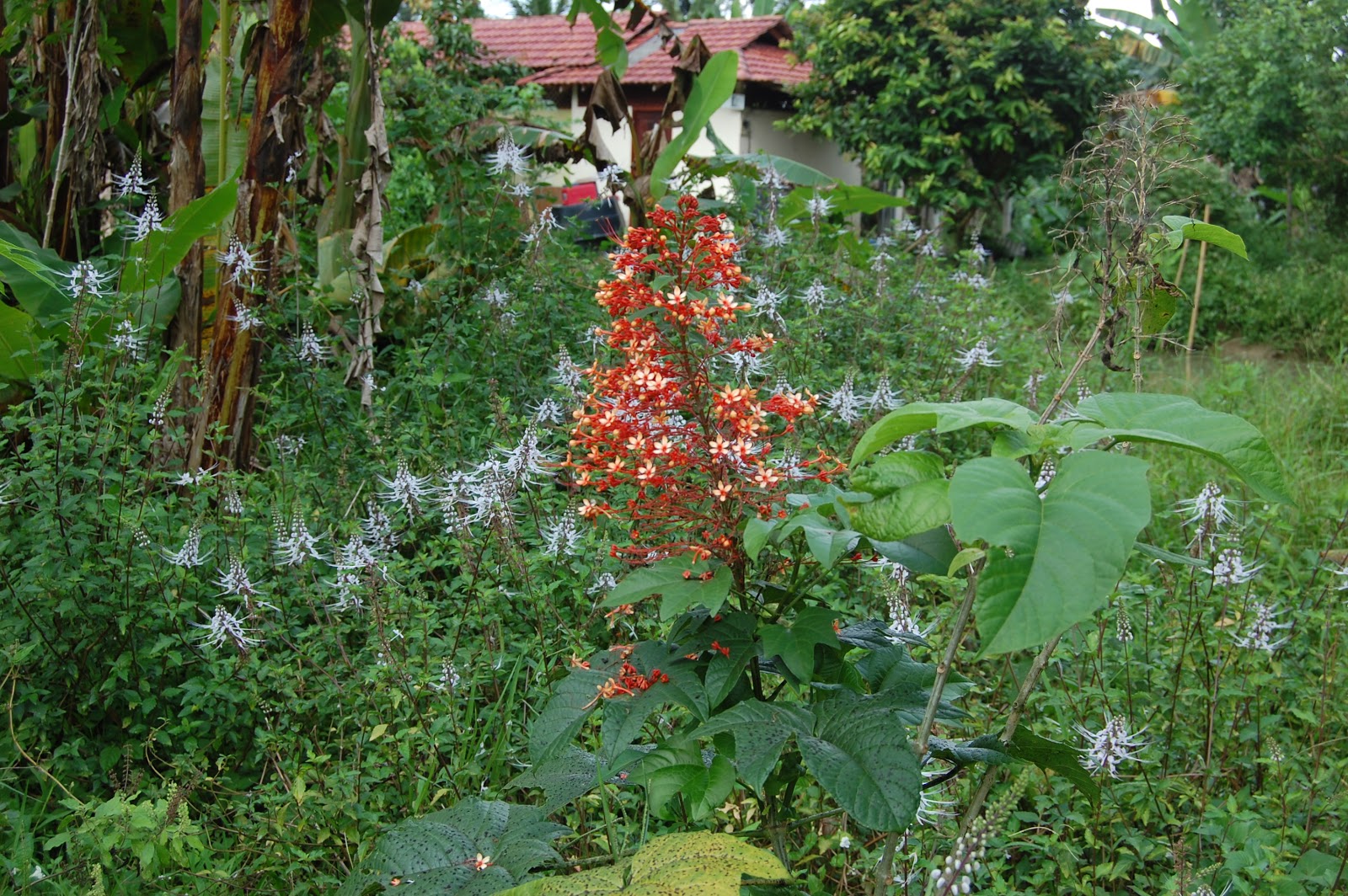
Farming to me is a passion and it is not limited to just plants and trees but also includes animals. With the creating of Suria Helang Lui, I am finally realizing a dream. one I have had since a child. Albeit, I went through the normal life paces - studying, working in a professional field, reaching high level of management - everything that the world now marks as making a success of your life. To me farming is also about leaving a legacy. Whilst I have left a legacy for the nation - with all its stengths and weaknesses, pros and cons - in the MyKad project, I now hope to leave a legacy of our natural heritage through the farm.
I have never been one to follow what everyone is doing so my approach to farming is also not what everyone else is doing. I do not follow fads - whether it is farming Arowana fish because you can make tons of money, planting Cavendish bananas because it is commercially better, using chemical pesticides and fertilizers so you can get beautiful produce which makes it cheaper to produce and easier to sell since it looks good to the eyes, and a whole bunch of other fads. It is based on my priciples of producing quality, healthy, natural foods maximizing nature's bounty. It is also a spiritual journey for me, marvelling everyday at Allah s.w.t.'s gifts.
While commerce has driven the research into producing quantity of food cheaper, it does not mean that it arrives at the table cheap nor does it necessarily mean that it is healty. I often wonder at the impact of modifying genetics - I do not think that we are clever enough to know what it will be as there is a whole wealth of area that we do not know or comprehend. There are maxim's that I live by such as "Don't mess with Mother Nature".
I find that with an integrated farm, you can work to create a balance with nature and a natural cycle of life.

Starting with the basics of good natural water, lots of sunshine and commercial checimal pesticide and herbicide free soil, you can strive to produce quality food. I do not disregard scientific reasearch but I prefer research that is focusses on natural or organic components such as improvements on composting, ensuring retention of clean, natural water, etc.


Growing vegetables without chemical pesticides and herbicides requires more time as there is more effort required. For example to control weeds, it is easier and faster to just spray chemical herbicides as oppose to pulling the weeds out or turning the soil. I find that by doing my way, I continue to "feed" the soil and prevent it from being contaminated and ultimately introducing it into the food chain as well as not having to worry if my chickens, fish or even the ever helpful earthworms dying.

Contrary to some who think that you can produce better produce through usage of chemical fertilizers, I find that you can produce equally good fruits and vegetables without it and using organic fertlizers. Having the benefit of having my own farm and selling it directly, I can decide when I want to harvest and when I want to market. I harvest it just a few days before taking it to market - at its prime - and do not resort to preservatives or additives to make it last longer before selling. This to me is key to enable us to savour the great, natural taste and its freshness.

Most people are familar with only Cavendish banana but we are blessed in Malaysia with a wide array of bananas. At this point, I think I have just about all the types of bananas in Malaysia which gives me a selection of bananas to enjoy - either raw or cooked. It is an adventure for my taste buds, enjoying the nuances in the sensation of the various flavours of the bananas. I hope the next generation will know that bananas is not synonymous with Cavendish.

A big no-no in my food preparation is the use of Aji-no-moto, a seasoning that is widely used. There are many ways to season your food naturally, an abundance in herbs and spices. Then again, if you start with fresh food, there is no need to add aji-no-moto to make it taste good! I have also rediscovered the tastiness of fresh tumeric and at the same time can get the enjoy the natural nutritions gained from its consumption. It is amazing to discover what else these herbs can do for you healthwise.

I love "original" durian and have not developed the passion for the newer varieties such as Musang King, and all those alphabet and number varieties. At the farm, I have one original tree which is decades old. After having a great tasting fruit from an "original" tree, I decided to try planting one so insyAllah, in a few more years, I will have healthy durian tembaga trees which will bear quality fruit in the future. I placed 7 seeds and 6 sprouted. It looks like I will be able to pls into the ground in a few months. It would be sad if we lose these varieties in our pursuit of faster growing/producing trees that have been "modified" to produce a flavour that is well-received. I still firmly belief that the best flavour of durians is still what hasn't been tampered with. Buying durian nowadays is turning into something similar to buying packaged drinks - there is no more surprises not nuances in the taste, just the same packaged taste. My new hobby now is to look for tasty original durian and then try to plant them. Maybe the next generation will still get to enjoy durian in its natural glory.
Farming has also opened a new door for me - the therapeutic and medicinal properties of these living beauties. The benefits of misai kucing, durian belanda, ruku, lengkuas, tumeric, ginger torch (bunga kantan), ikan haruan, fresh eggs from ayam kampung and more yet to discover. I am happy with the direction I am taking now and love to share it with as many people. I hope when the day comes, I will leave a farm that people can visit and rediscover nature in its full glory - my legacy for the next generation.